Why most Выгул собак projects fail (and how yours won't)
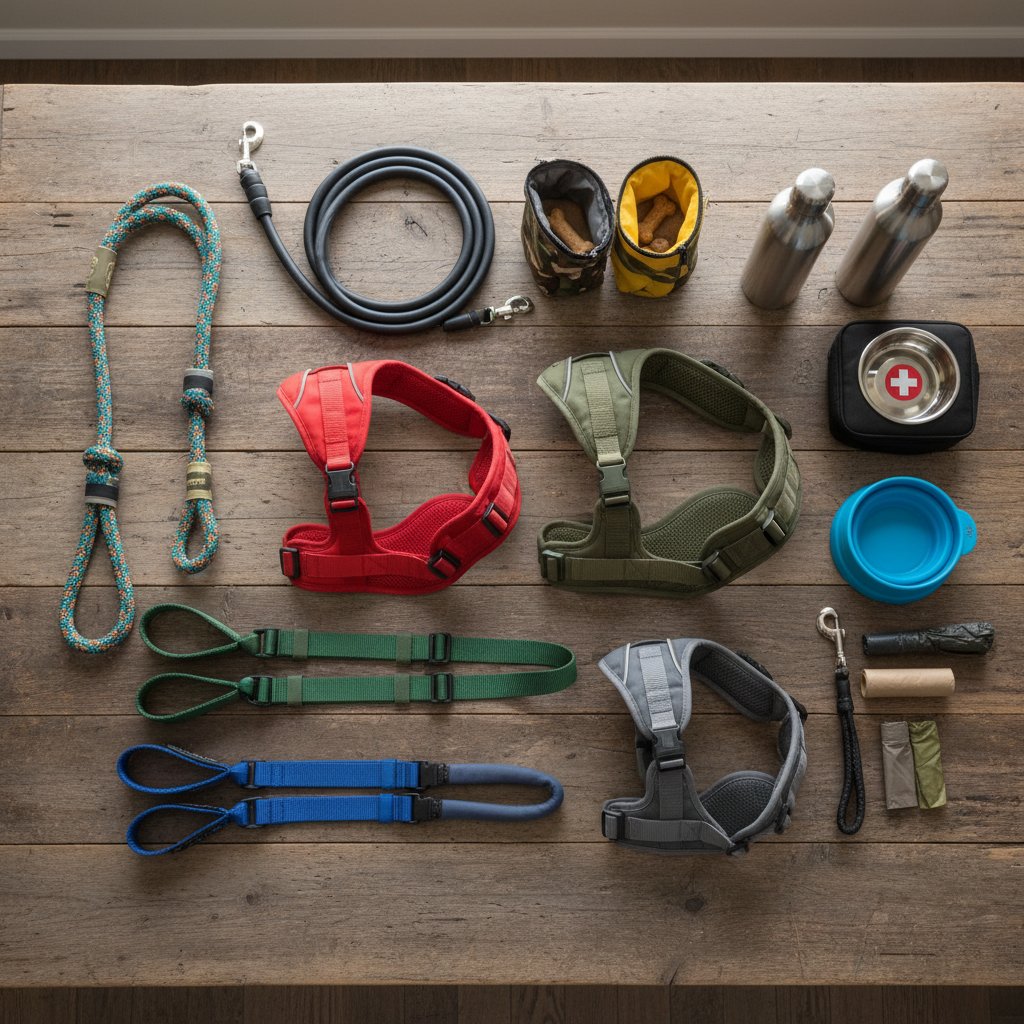
The $30K Mistake: Why Dog Walking Businesses Crash and Burn
Last month, I watched Sarah shut down her dog walking service after just eight months. She'd invested $12,000 in a fancy website, branded bandanas, and GPS tracking collars. Her Instagram had 3,400 followers. Yet she couldn't pay her walkers or herself.
Sound familiar?
Here's the brutal truth: 67% of pet care startups fail within their first 18 months. Not because they love dogs any less than successful businesses. They fail because they treat passion like a business plan.
The Three Killers Nobody Talks About
Killer #1: The "I'll Just Wing It" Pricing Model
Sarah charged $25 per 30-minute walk because that's what her neighbor's cousin charged. She never calculated that each walk actually cost her $18.50 when you factor in drive time, insurance, gas, and walker wages. She was losing money on every single appointment while thinking she was profitable.
Most dog walking operations price themselves based on feelings, not math. They see competitors at $20 and think, "I'll charge $22 to be slightly better." Meanwhile, they're hemorrhaging cash without realizing it.
Killer #2: Zero Systems for Scaling
You start walking five dogs yourself. Great money, happy pups, everyone wins. Then you hit fifteen dogs and hire your first walker. Suddenly you're spending three hours daily on scheduling, sending updates to owners, and driving keys around town.
By the time you reach thirty clients, you're working 70-hour weeks and making less per hour than your employees. The business owns you, not the other way around.
Killer #3: The Insurance Blindspot
A Labrador pulls away from a walker and causes a cyclist to crash. The lawsuit? $47,000. The business had general liability but not animal bailee coverage. Bankruptcy followed within six months.
This isn't fear-mongering. This happened to a service in Portland last year. Most new dog walkers either skip insurance entirely or buy the wrong type, leaving themselves exposed to catastrophic risk.
Warning Signs Your Business Is Heading for the Cliff
- You can't tell someone your actual profit margin without checking spreadsheets (or you don't have spreadsheets)
- Scheduling takes more than 15 minutes per day
- You've said "I'll just handle that myself" more than twice this week
- Your insurance agent doesn't specialize in pet care businesses
- You're turning down clients because you're at capacity, but you're still stressed about money
The Fix: Build It Right From Day One
Step 1: Run Your Real Numbers (2 hours)
Open a spreadsheet. List every expense: insurance ($1,200-2,400 annually), software ($30-90 monthly), vehicle costs ($0.58 per mile), walker wages, taxes, equipment replacement. Add 20% for things you forgot.
Now calculate how long each appointment actually takes, including drive time. If a "30-minute walk" requires 15 minutes of driving, that's 45 minutes of payroll.
Your minimum viable price is: (Total costs ÷ Realistic monthly appointments) + Your desired profit. Not a penny less.
Step 2: Automate Before You Hire (Week 1)
Invest $50-90 monthly in scheduling software before you bring on your first walker. Time To Pet, Pet Sitter Plus, or Precise Petcare will save you 10-15 hours weekly once you scale past ten clients.
Set up automatic photo updates, GPS tracking, and client communication. If you're manually texting photos to owners, you're already behind.
Step 3: Get Proper Coverage (This week)
Call an insurance broker who specializes in pet businesses. You need four things: general liability ($1-2 million), animal bailee coverage, bonding, and commercial auto if using your vehicle.
Budget $150-250 monthly. Yes, it hurts. Know what hurts more? Losing your house over a dog bite claim.
Step 4: Create Your Walker Manual (Weekend project)
Document everything: how to handle aggressive dogs, what to do if a dog escapes, which vet to call in emergencies, how to photograph updates. When you hire walker number two, you should hand them a manual, not spend eight hours explaining your process.
Making It Stick
Review your actual costs every quarter. Markets change, gas prices fluctuate, insurance renews at higher rates. The price that worked in January might be losing money by July.
Block two hours every Friday for business work—not dog work. Update systems, review financials, plan next month. Treat these hours like client appointments. Non-negotiable.
Most importantly? Stop comparing yourself to the person charging $15 per walk. They'll either go out of business or realize their mistake and raise prices. Build your business on math, not hope. Your future self will thank you.