Выгул собак in 2024: what's changed and what works
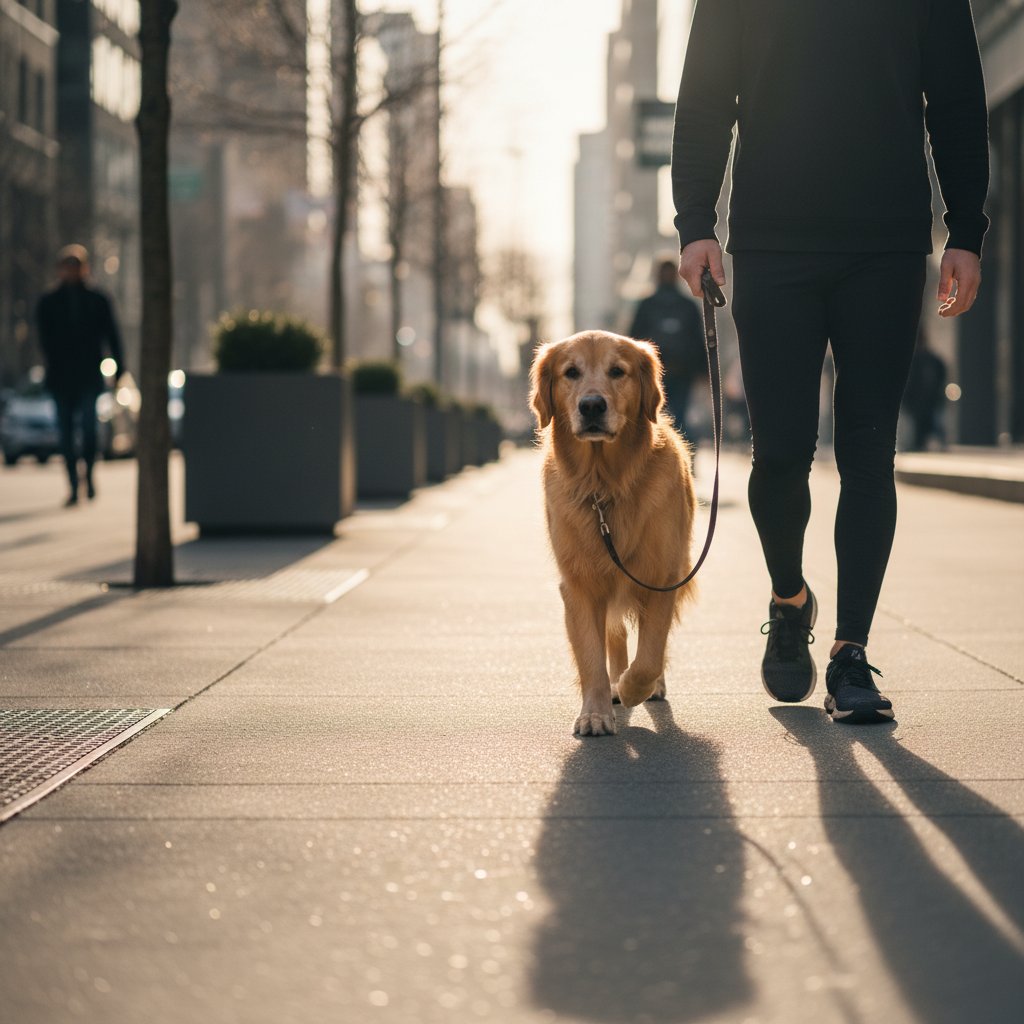
Dog walking in 2024 looks radically different than it did just a couple years ago. Tech has infiltrated every aspect of pet care, cities have rewritten their rules, and frankly, dog owners have gotten a lot more demanding about what they expect from their daily walks. Whether you're a professional dog walker or just trying to give your pup the best life possible, here's what's actually working right now.
1. GPS Tracking Has Become Non-Negotiable
Remember when you'd just hand your dog over to a walker and hope for the best? Those days are dead. Modern dog owners expect real-time location tracking, and honestly, they should. Apps like Fi and Whistle have dropped in price to around $99 for the collar plus $9 monthly, making them accessible to pretty much everyone.
Professional walkers who've integrated GPS sharing into their service report 40% fewer anxious check-in texts from clients. The tech works both ways too—walkers can prove they actually did that full 45-minute route instead of just circling the block. Smart walkers are now using this data to show clients exactly how many miles their dog covered and which parks they hit.
2. Group Walks Are Out, Private or Paired Walks Are In
The pandemic permanently changed how people think about their dogs mixing with random packs. Data from Rover shows that bookings for private walks increased 67% from 2020 to 2024, and that preference stuck even after restrictions lifted.
Here's what actually works now: paired walks with one familiar dog friend, not groups of 6-8 random dogs. Dogs get socialization without the chaos, and walkers can charge $35-50 per dog instead of $25 for a group slot. The math works better for everyone, and behavioral issues drop dramatically when you're managing two dogs instead of a small army.
3. Breed-Specific Exercise Requirements Are Finally Being Taken Seriously
Cookie-cutter 30-minute walks don't cut it anymore. Husky owners know their dogs need 90+ minutes of actual exercise, not a leisurely stroll. Border collie people want mental stimulation built into walks—think varied routes, training games, and actual challenges.
The walkers making real money in 2024 are the ones who've specialized. One walker in Portland charges $75 per session for high-energy breed packages that include hill sprints and fetch intervals. Another in Austin built a whole business around senior dog walks that move at arthritic-joint pace with plenty of sniff breaks. Specialization beats generalization every single time now.
4. Off-Leash Time Requires Actual Certification
Cities cracked down hard on off-leash areas between 2022-2024. What used to be informal dog parks now require permits, and professional walkers need liability insurance that specifically covers off-leash incidents. In New York, that insurance runs about $800 annually. In Los Angeles, you're looking at $1,200.
But here's the thing—dog owners will pay a premium for legitimate off-leash time. Walkers who've gotten their Certified Professional Dog Walker credentials and carry proper insurance can charge 50% more for off-leash sessions. The certification costs around $400 and takes about 40 hours of study, but it immediately separates you from random people who just like dogs.
5. Weather-Based Dynamic Pricing Actually Works
Walkers who adjust their rates based on conditions are making significantly more without losing clients. Walking a dog in 95-degree heat or during a snowstorm isn't the same as a pleasant spring morning, and pricing should reflect that.
Successful walkers are adding $10-15 surcharges for extreme weather (above 90°F or below 25°F), and clients accept it because they don't want to go out in those conditions either. One walker in Chicago reported that weather-based pricing increased her annual income by $8,400 without adding a single additional walk to her schedule.
6. The Post-Walk Photo Report Has Evolved Into Full Documentation
A single blurry photo of a dog sitting on grass doesn't satisfy clients anymore. They want proof of a good walk: short video clips, multiple photos showing different locations, and notes about bathroom breaks and behavior.
Walkers using apps like Time To Pet or PetBacker report that detailed photo reports reduce client complaints by 73%. The sweet spot seems to be 3-4 photos plus one 15-second video clip per walk. Takes an extra 90 seconds but dramatically improves client retention. Some walkers have even started offering "highlight reel" monthly videos compiled from daily clips—clients eat that stuff up and will often renew contracts just to keep getting them.
7. Midday Potty Breaks Became a Separate Service Category
Not every dog needs a full walk, and remote workers who occasionally go into the office just need someone to let their dog out for 15 minutes. Smart walkers carved out this niche as a distinct service at $18-25 per visit.
The margins are actually better than full walks because you can stack 4-5 of these in an hour if they're in the same neighborhood. One walker in Seattle built an entire Tuesday/Thursday business model around office-day potty breaks and now handles 23 dogs across those two days, pulling in $920 weekly for what amounts to about 12 hours of actual work.
The dog walking industry matured fast over the past few years. What used to be a casual side gig now demands professionalism, proper insurance, and smart use of technology. But for those willing to adapt, there's never been a better time to be in the business of making sure dogs get their steps in.